
Hotel staff vacancies in Japan for foreigners can be a smart entry to hospitality. Openings appear in city hotels and resorts serving global guests. You can start in front desk, housekeeping, or restaurant teams.
Your best match depends on visa options and Japanese level. This guide lists roles, benefits, and where to apply. You will learn the requirements and a simple plan.
Available Hotel Staff Vacancies You Can Target as a Foreigner
Hotels in Japan split work into guest-facing and operations roles, so entry is flexible. Guest-facing jobs need clear communication and calm handling of complaints.
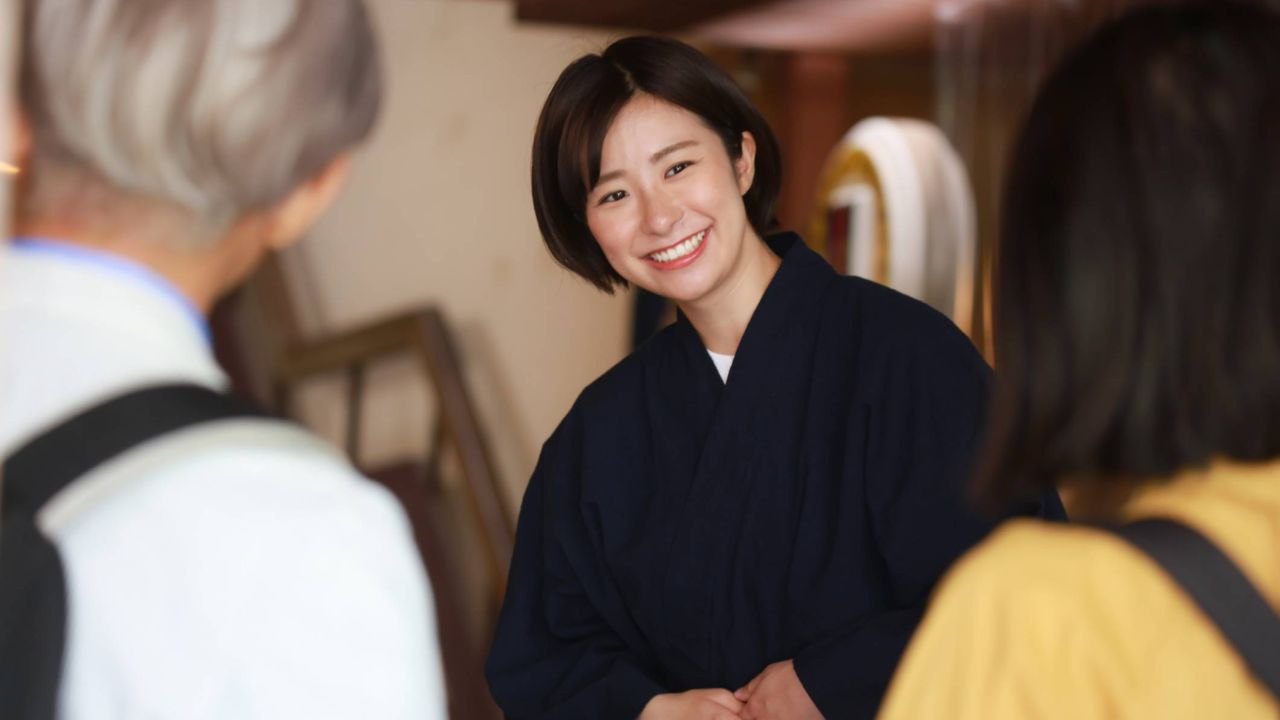
Operations roles reward reliability and attention to detail. Most employers train you on checklists, service timing, and safety rules. Read the duties line by line and match your experience. Start with the roles below today.
Front Desk, Reception, and Guest Services
Front desk and guest services cover check-in, check-out, reservations, and simple local guidance. You handle calls, emails, and room changes daily during busy hours. Many hotels prefer English plus functional Japanese for teamwork.

You should be comfortable with shifts and polite speech. Accuracy matters because you process payments and identity checks. Strong service protects reviews and reduces complaints.
Housekeeping, Laundry, and Public Area Cleaning
Housekeeping vacancies include room attendant, public area cleaner, linen runner, and laundry support. You reset rooms to brand standards within a set time window. You follow rules for chemicals, equipment, and lost property handling.
Japanese language needs can be lower, but you must understand instructions and labels. Fitness helps because you stand, lift, and move all day. Consistency protects guest comfort and hygiene.
Food and Beverage, Banquets, and Room Service
Food and beverage jobs include restaurant service, buffet support, bar staff, banquets, and room service running. You set tables, deliver orders, and keep service smooth in peak hours.
Hotels train you on menu details, allergens, and hygiene standards. Conversational Japanese often helps with kitchen coordination. Focus on base pay and shift stability, not tips. Teamwork matters because service problems show quickly.
Benefits of Working as Hotel Staff in Japan for Foreigners
Hotel work in Japan suits you if you want structured training and steady routines. Many properties use clear SOPs, so expectations stay consistent.
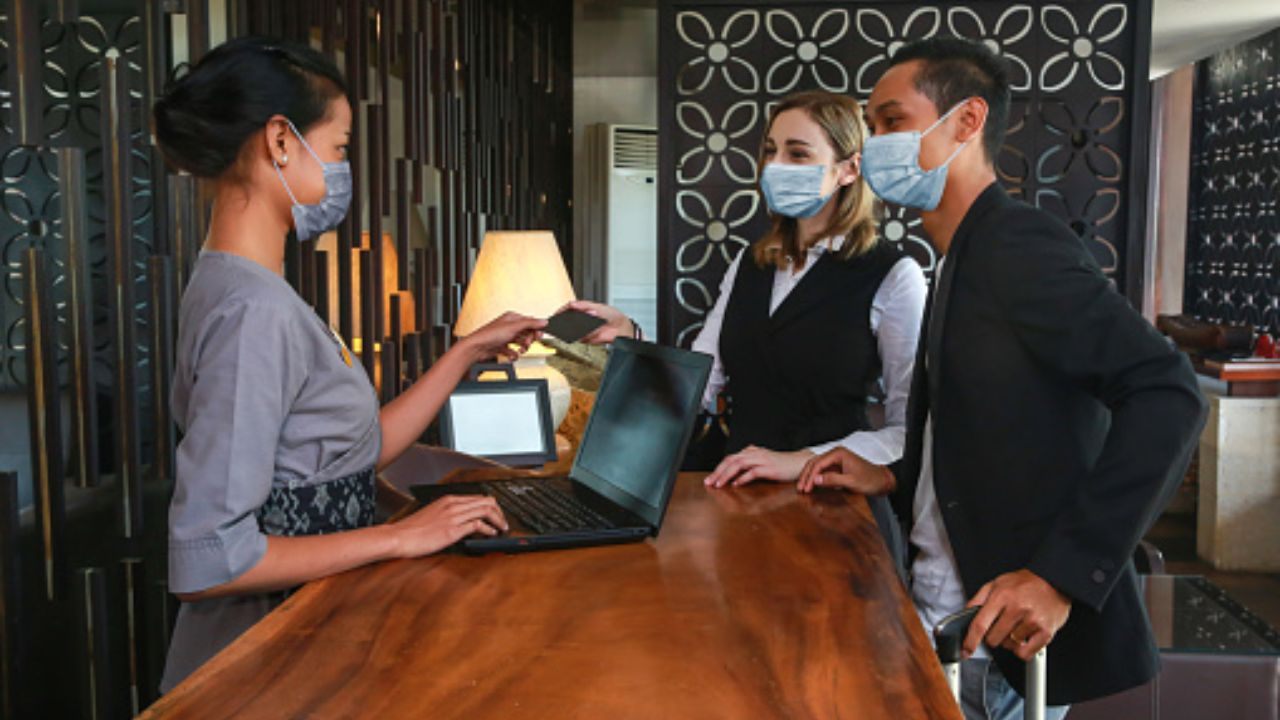
You build skills like guest communication, teamwork, and problem-solving. Benefits vary by employer, but stable schedules and staff perks are common.
Compare offers using a single checklist to catch hidden costs. These benefits matter for beginners.
Stable Pay, Training, and Predictable Routines
Hotels often offer stable monthly pay or hourly rates with regular shifts. Overtime pay may apply depending on the contract and local rules.
Training covers service basics, safety, and property systems, so you ramp up faster. Clear standards reduce confusion and speed improvement.
This structure helps if you are new to Japan and want predictability. Confirm pay, overtime, and probation in writing.
Staff Perks That Reduce Living Costs
Some hotels provide meals, uniforms, or discounted stays that lower costs. Resorts may offer housing or relocation help outside big cities. These perks are not universal, so treat them as optional, not guaranteed.
Ask about transport allowance, shift meals, and uniform laundry rules. If your budget is tight, perks can matter as much as pay. Get perk details in writing.
Language Growth and Career Progression
Hotel work makes you practice service etiquette daily, so confidence grows fast. If you speak English, you add value with international guests. You can move into supervisor roles, reservations, or guest relations over time.
Many hotels use systems, so experience transfers across countries. Keep records of duties and results for applications. This turns an entry job into a career path.
Websites Where You Can Apply for Hotel Staff Vacancies in Japan for Foreigners
Finding hotel staff vacancies in Japan for foreigners is easier with multilingual job platforms.

Good boards let you filter by language, location, and visa support. Also, check career pages for major hotel groups.
Avoid posts that request upfront fees or private payments. Use at least 2 sources to avoid missing opportunities. These sites are strong starting points today.
GaijinPot Jobs for Foreigner Friendly Listings
GaijinPot Jobs frequently lists hotel vacancies for foreign applicants. You can filter by function, location, and salary to target realistic roles.
Many postings explain requirements in clear English. Use each description to confirm language level, shift type, and visa support notes.
Apply quickly, as listings can close quickly. Check the site daily while searching in your chosen cities online.
Daijob and CareerCross for Bilingual and English-Facing Roles
Daijob and CareerCross are suitable if you have bilingual skills and want hotel roles that use English. Their listings cover front office, guest relations, and management track openings. You can find reservations and support jobs linked to hotels.
Expect requirements that mention Japanese level and experience. Set alerts so you catch new posts fast. Use profile tools to speed up applications online.
Work Japan and YOLO Japan for Fast Entry and Part-Time Options
Work Japan and YOLO Japan list foreign-friendly jobs, including hotel roles. They fit best if you already live in Japan and want a fast entry job. You may see housekeeping and service support roles with flexible Japanese requirements.
Read pay and location closely because offers vary by city. Keep availability updated in your profile. Use them with bigger boards for wider coverage.
Requirements You Need and What Hotels Expect From Foreign Applicants
Before you apply, confirm you can legally work in Japan for your target role. Hotels hire foreigners under different statuses, so your situation matters.

Some candidates live in Japan on a student, working holiday, or spouse status. Others need an employer that supports a work visa process.
Language expectations vary by role, especially for guest service. Use these requirements to avoid wasted applications.
Visa Status and Legal Work Eligibility
Your visa path controls which jobs you can accept and the timing. If you live in Japan, student rights or spouse status may apply. If you apply from abroad, you need employer sponsorship for a status tied to duties.
The Specified Skilled Worker program includes an accommodation field for roles. Confirm rules before you sign anything. Use government guidance for details.
Japanese and English Level Expectations by Role
Language filters many hotel roles, so set a realistic target first. Front desk roles often require stronger Japanese proficiency for handling requests and complaints. Housekeeping and support roles can be more flexible in tourist areas.
English helps, but it does not replace Japanese for teamwork and safety. If you have JLPT results, include them and describe tasks you can handle. Practice guest scenarios before interviews.
Basic Documents and Interview Readiness
You need a clean resume, a short cover note, and documents that match the posting. Prepare passport ID, residence card if applicable, and proof of work permission. Hotels may ask for a photo, so use a professional headshot.
Bring references if you have service experience. Interviews test politeness, punctuality, and shift flexibility. Prepare answers on why hospitality and why that hotel.
How to Apply Step by Step and Get Hired Faster
Once you know your target role and visa path, apply fast and follow through. Hotels receive applications, so small details decide interviews.
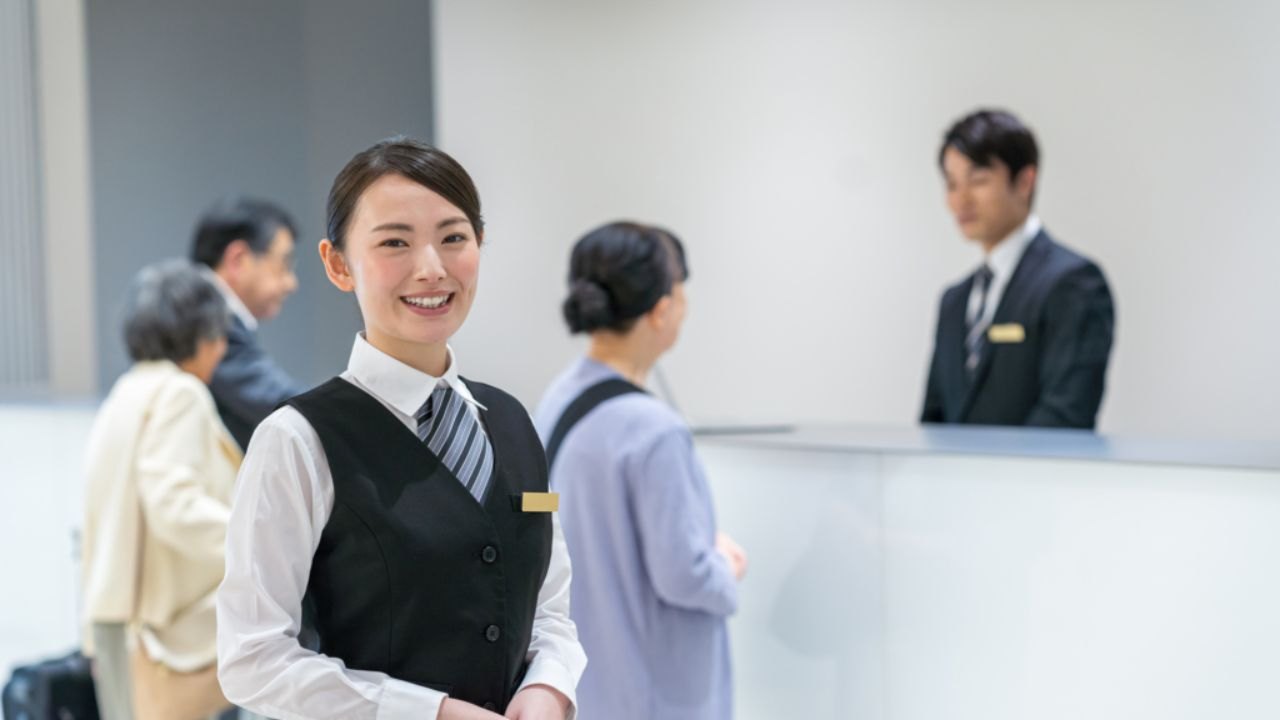
Focus on accuracy and fit with job requirements. Your application should show you understand shifts, duties, and service standards.
Prepare for the first week, including commute and uniform. Use the process to stay organized and get hired faster.
Build a Job-Ready Application Package
Build a resume that matches hotel language, with sections for service, teamwork, and shifts. Keep bullets outcome-based, like faster room turnover or fewer complaints. List languages with levels and include JLPT if available.
Write a cover note that repeats the role title and availability. If visa support is mentioned, state your status and needs. Save files as PDF with clear names.
Apply, Track, Follow Up, and Improve
Apply through the job board or career portal, then track each application. Follow up after 5 to 7 business days if a recruiter contact is listed.
For interviews, confirm time and location, then arrive 15 minutes early. Show you can handle shifts and guest issues calmly. Send a thank you message and restate availability. Apply weekly until you land a role.
Conclusion
Hotel staff vacancies in Japan for foreigners are competitive, but you can win with focus. Choose roles that match your visa and Japanese level first. Use trusted job platforms and company career pages to avoid scams.
Prepare documents early and keep your resume specific. Apply fast, track follow-ups, and practice interview etiquette. Stay consistent until you land the offer.